 Rhinelander Rabbitry
Welcome!
For years I stood firm, telling my daughter we weren't getting a rabbit, but life has a way of changing plans....
It all began when our cat caught a tiny kit. We brought it inside to make it comfortable in its final moments. To our surprise, the little one didn't just survive—it thrived! That marked the beginning of our journey into the surprising world of rabbitry.

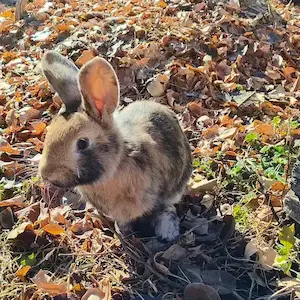
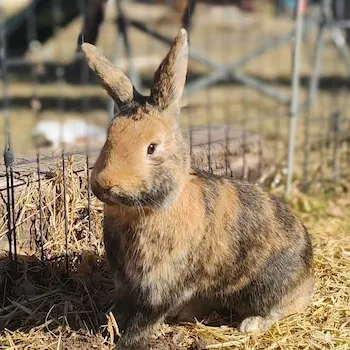
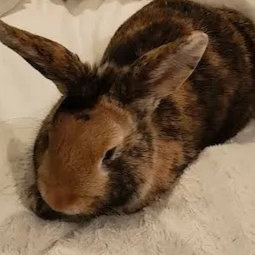
Since the inception, we've discovered a few things. People around the world show these adorable creatures competitively! There are rabbit shows, hurdle jumping, obstacle courses, clubs, organizations, 4-H, and other groups dedicated to rabbits. The rabbit world is delightfully enormous!
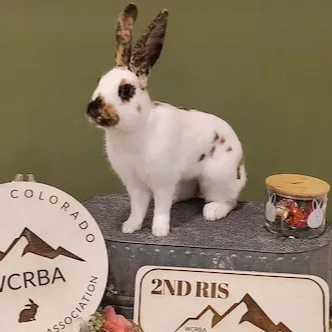

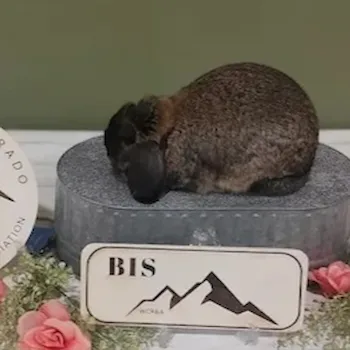

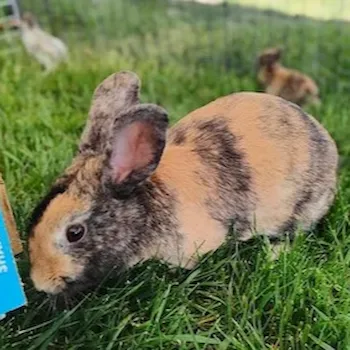
They are fascinating creatures: Rhinelanders are a rare breed on the National Conservation list. With character to spare, they make us laugh and smile daily. Super sweet, loads of intelligence and energy—the Border Collie of rabbits. Rhinelanders require minimal grooming. They don't appreciate being held but will tolerate it as they grow to trust you. They are affectionate, love to lay next to us, and follow us around the house. Average adult weight is 9-10 lbs.
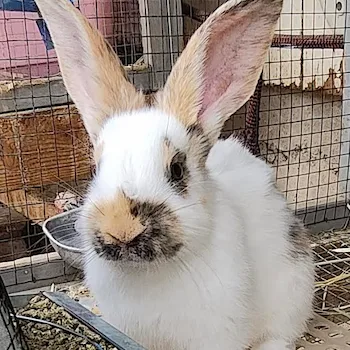

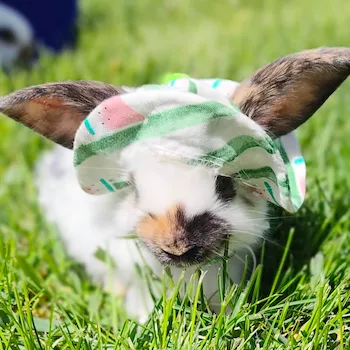
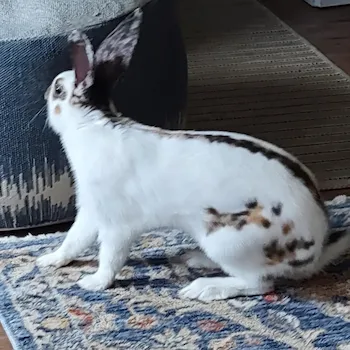
Mini Lops are known for their friendly, affectionate nature. They require more grooming than a Rhinelander or Harlequin and are not quite as playful but cute as a button. They are easier to handle for beginners and, if you want to snuggle a teddy bear, a Mini Lop is a good option. Average weight is 5-6 pounds.
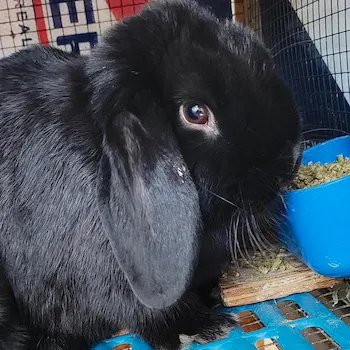
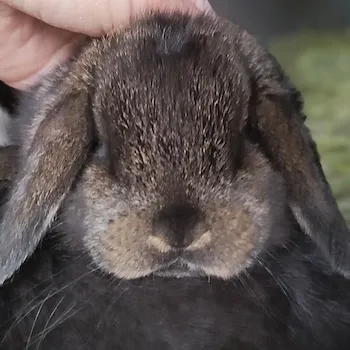
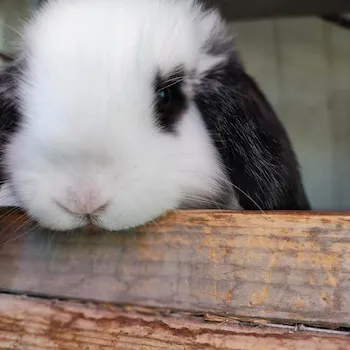

Harlequins are known for their unique, striking coat patterns and loving, playful nature. They are friendly, intelligent, with a calm demeanor and gentle nature. They require minimal grooming and are easy to handle. Harlequins are a well-balanced breed. Average weight is 6-8 pounds.
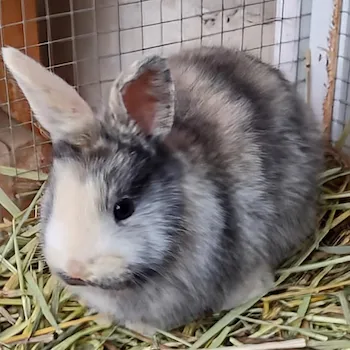
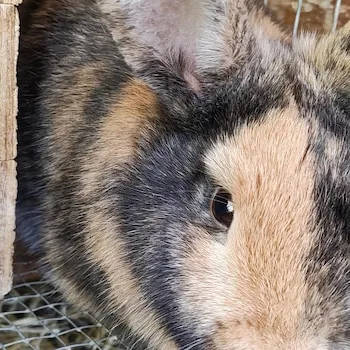

The most unexpected aspect is that caring for rabbits has healed my heart, fostering emotional well-being. My daughter has learned invaluable lessons about life, death, motherhood, birthing processes, bioinformatics, record keeping, genetics, and zoosemiotics—the study of communication between animals and humans—including emotional cues and so much more.


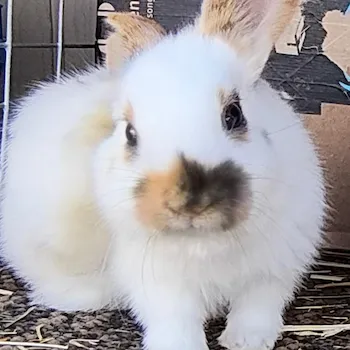
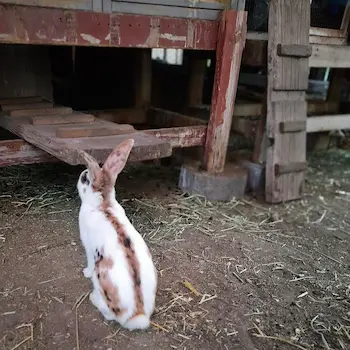
It's not surprising that, to survive in the wild, rabbits have extraordinary sensitivity to their environment. What is surprising is that they sense emotions, read body language, tone of voice, and facial expressions. Even more incredible, they can detect signs of illness by smelling changes in scent related to infection, fever, or inflammation. They hear irregular breathing, heart rate fluctuations, and coughing. They even recognize atypical speech patterns from strained or slurred words and micro-expressions of pain or mood.
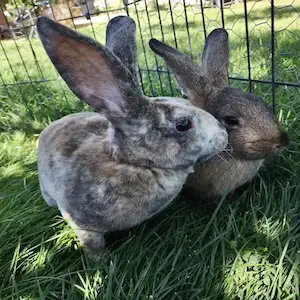

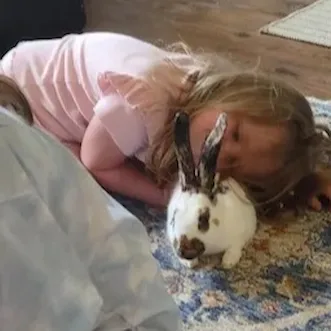
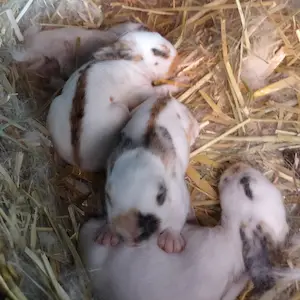
Rabbits are intriguing and easy to love. We appreciate them and have settled on breeding Rhinelanders, Harlequins, and Mini Lops. Keeping our focus small allows us to breed quality pet and show animals. Our goals are to provide the best life for our rabbits and share with others the healing that comes from owning one.
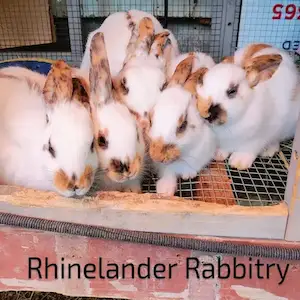
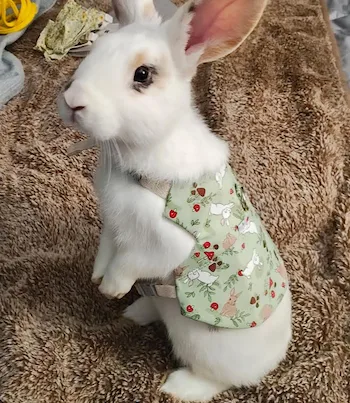
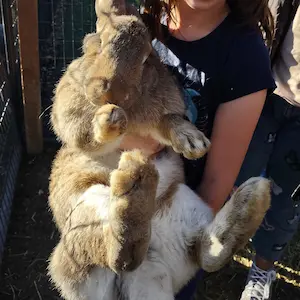
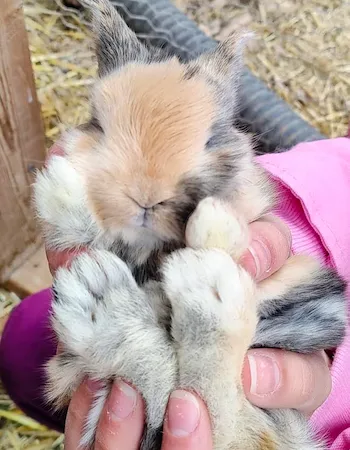
Enjoy cute pictures of some of the bunnies. I've included links to helpful webpages. Feel free to contact us if you have any question or are interested in adopting the most productive therapy you'll ever have!
Click here to contact us or to submit a drawing of a rabbit.